

Spa Jets: Product Information, Types and Replacement Resources
Spa jets shape the water movement, massage experience and comfort of a spa or hot tub.
Although many spa jets appear similar, they may differ in diameter, length, nozzle design, diffuser configuration, connection style and compatibility. Understanding these differences is important when learning about a spa system or researching a replacement.
Rising Dragon manufactures spa jets and related components in a variety of sizes, styles and configurations. This page provides an introduction to spa jet terminology, product types, measurements and replacement considerations, along with links to more detailed guides and available products.
What Is a Spa Jet?
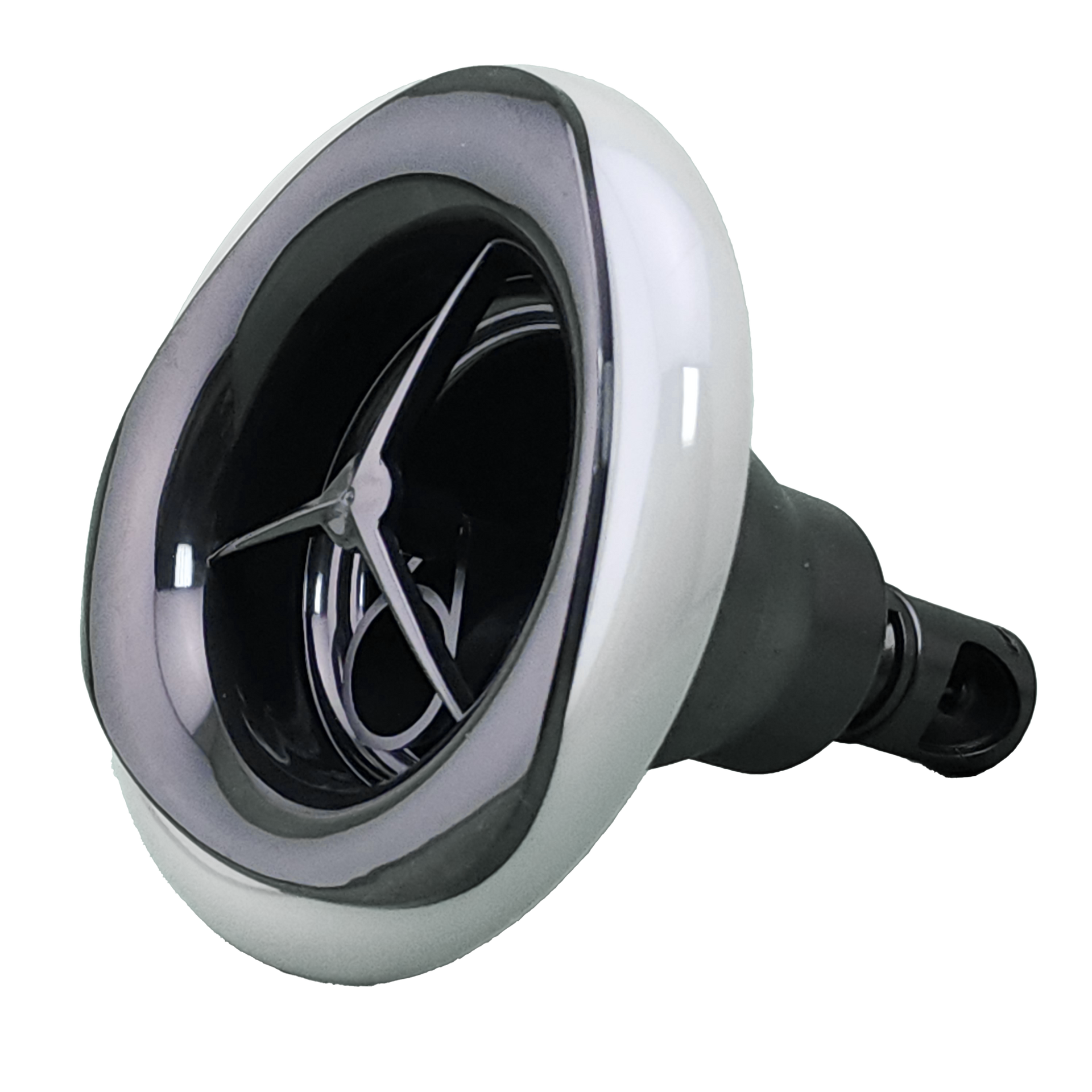
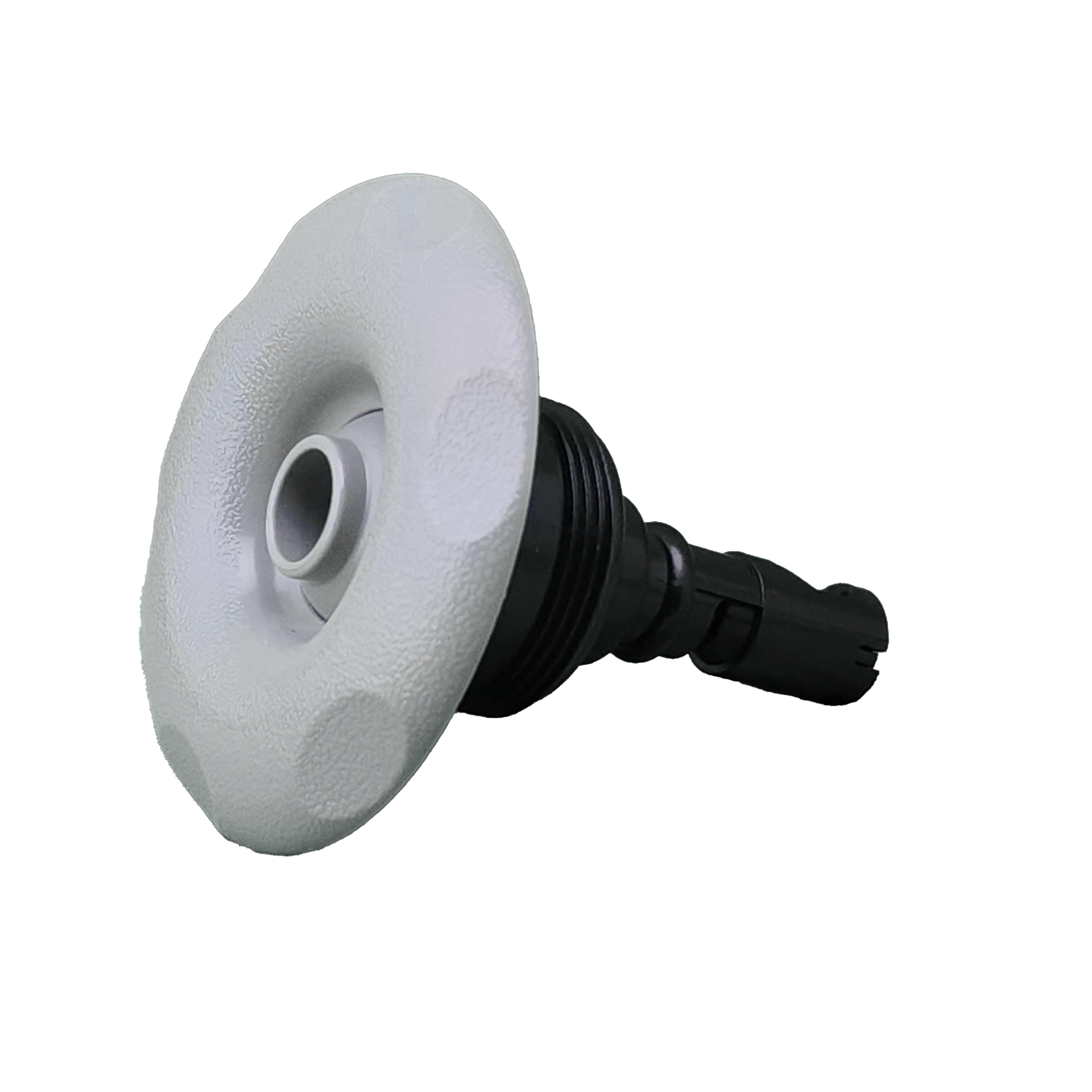
A spa jet is a component that directs water into the spa through a controlled opening or nozzle.
Many spa jets combine water flow with air to create a stronger, more noticeable stream. The shape and movement of that stream can vary according to the nozzle, internal design, water pressure and jet style.
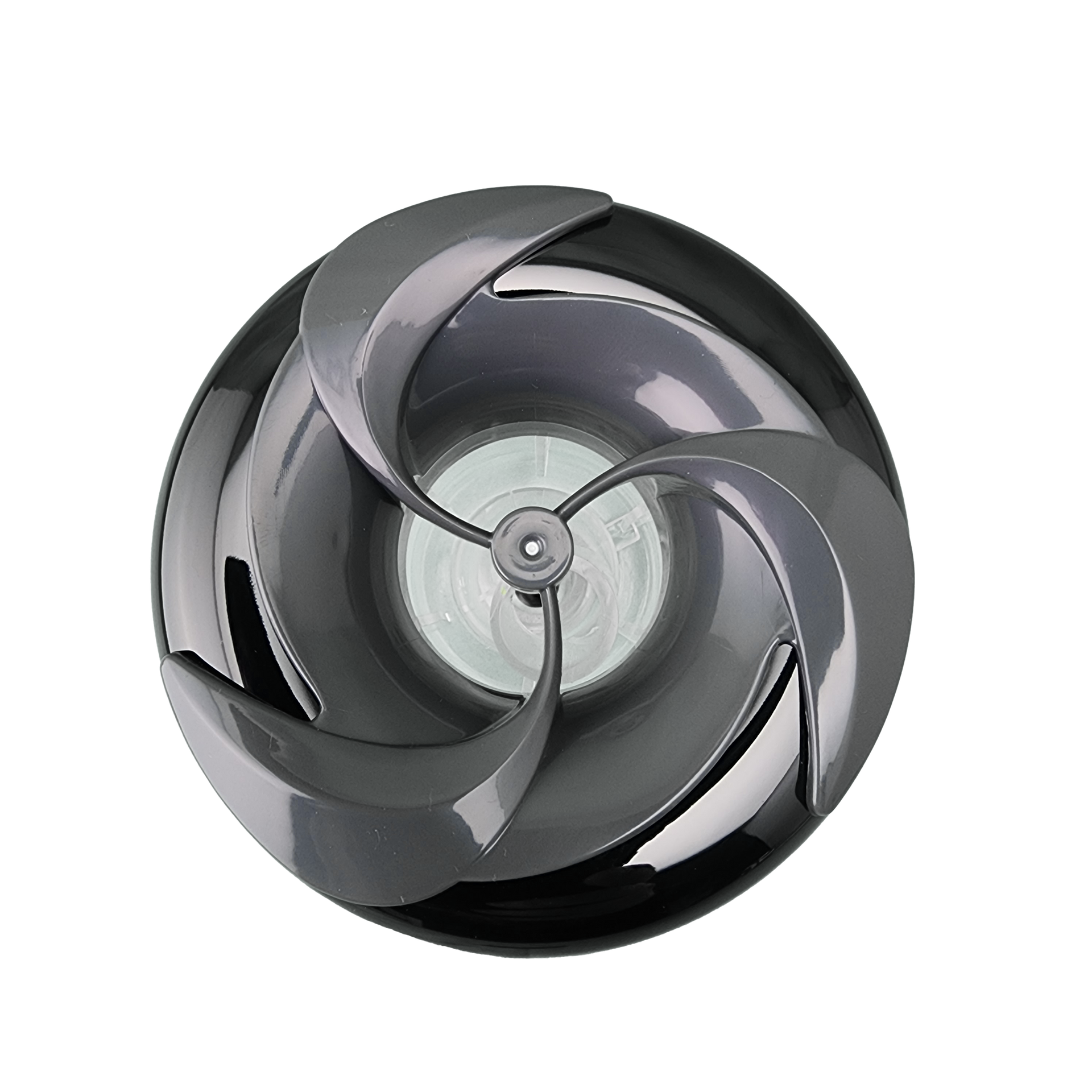
Some jets create a steady directional stream. Others rotate, pulse or divide the water into multiple streams. These different designs allow spa manufacturers to create varied seating experiences throughout the spa.
The visible portion of the jet is only one part of the complete assembly.
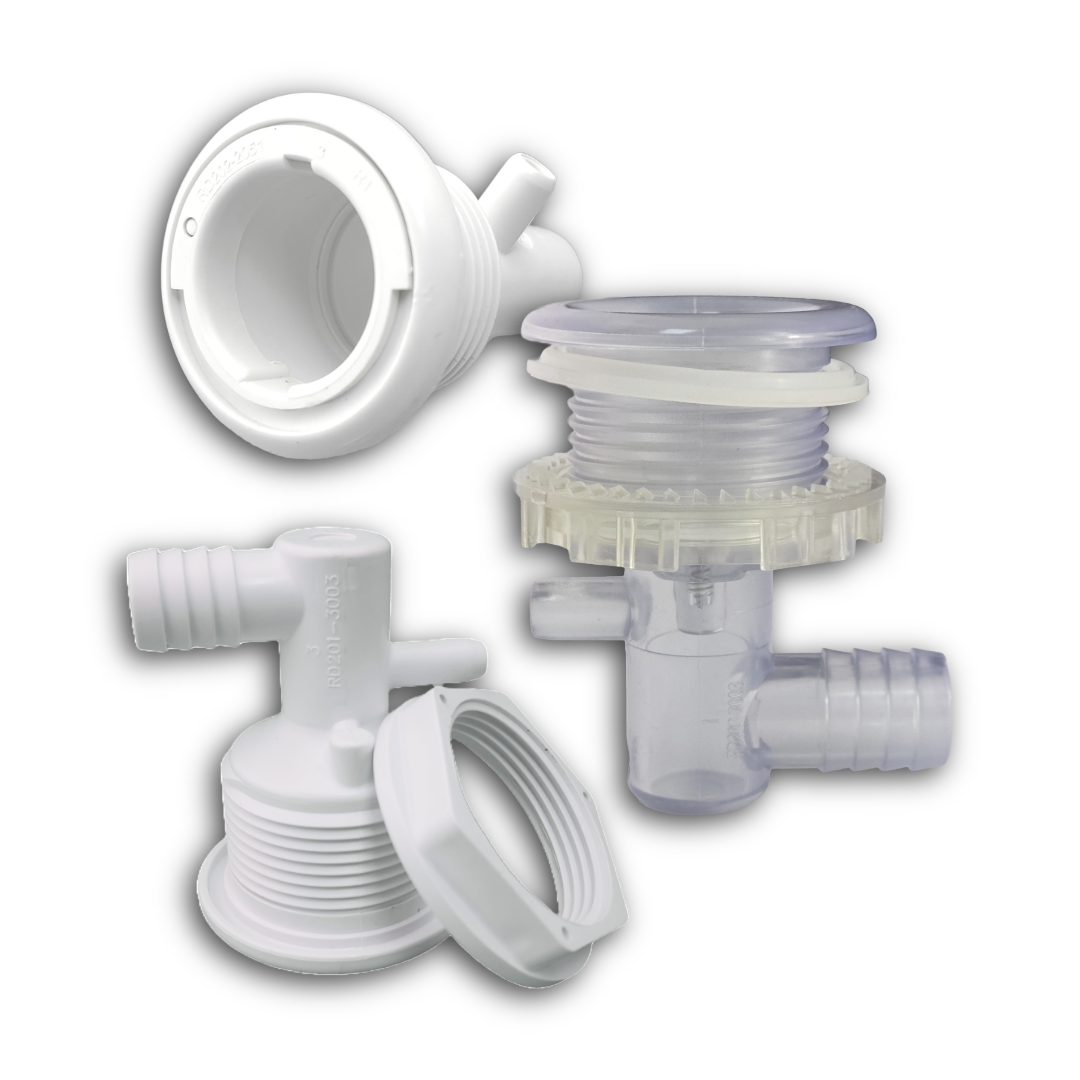
A spa jet system may include:
- A removable jet internal or insert
- A diffuser
- A nozzle
- A decorative face
- A jet body installed through the spa shell
- Plumbing connections
- Gaskets or seals
- Air and water connections
Understanding which part is being discussed is especially important when researching products or replacement options.
Understanding the Parts of a Spa Jet
The words used to describe spa jets are not always applied consistently across manufacturers, sellers and product listings. Knowing the major components makes it easier to compare information.

Spa Jet Face
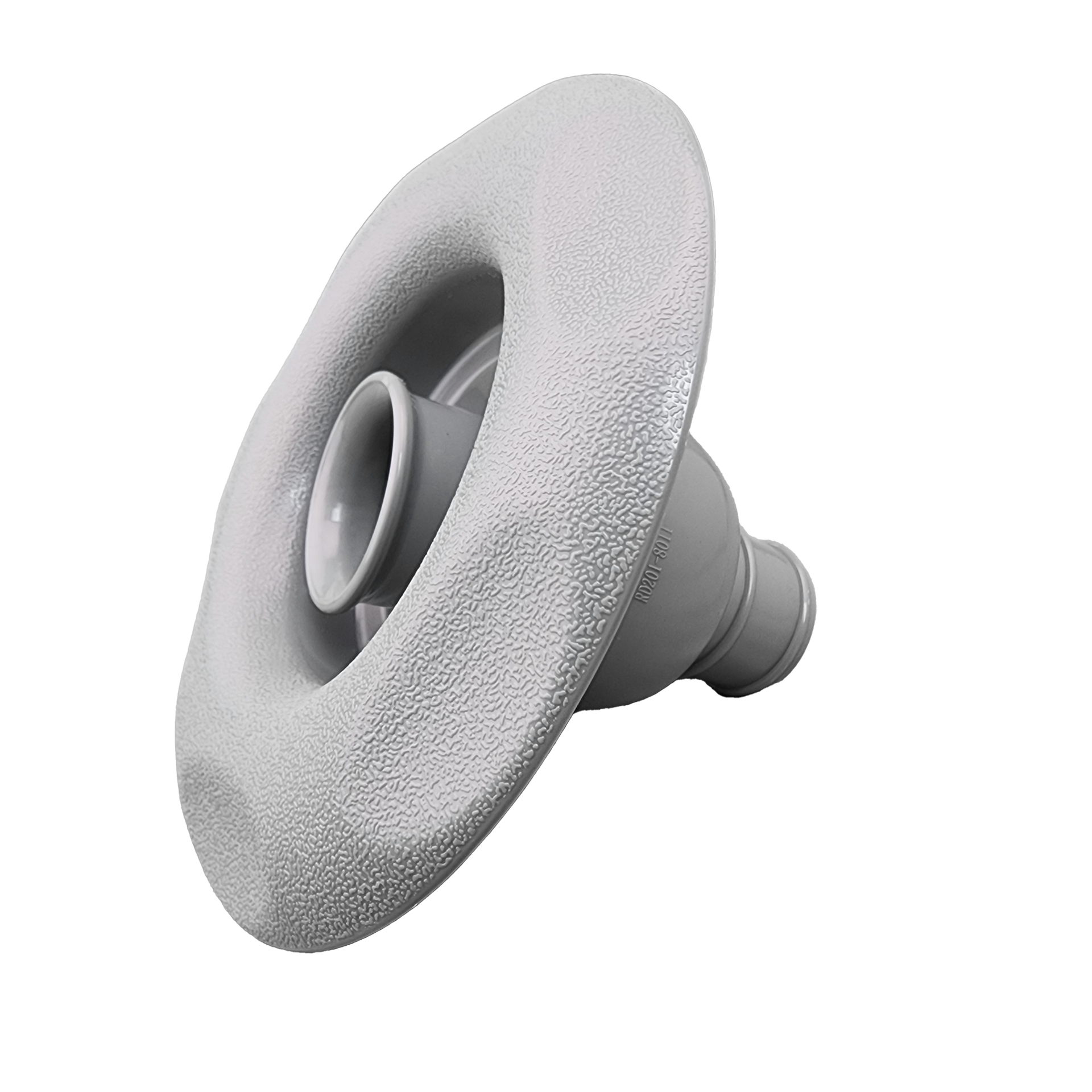
The face is the visible front portion of the jet.
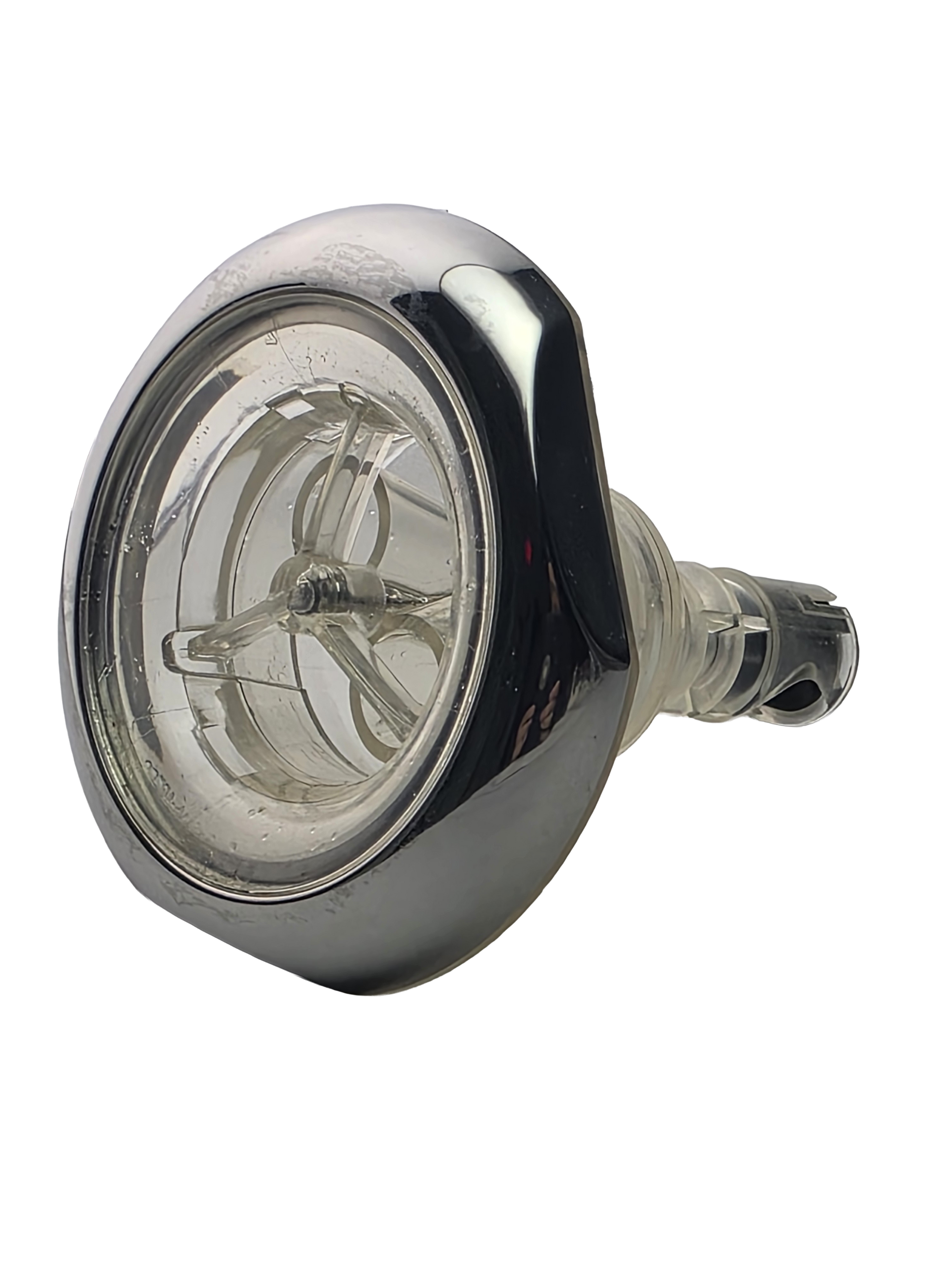
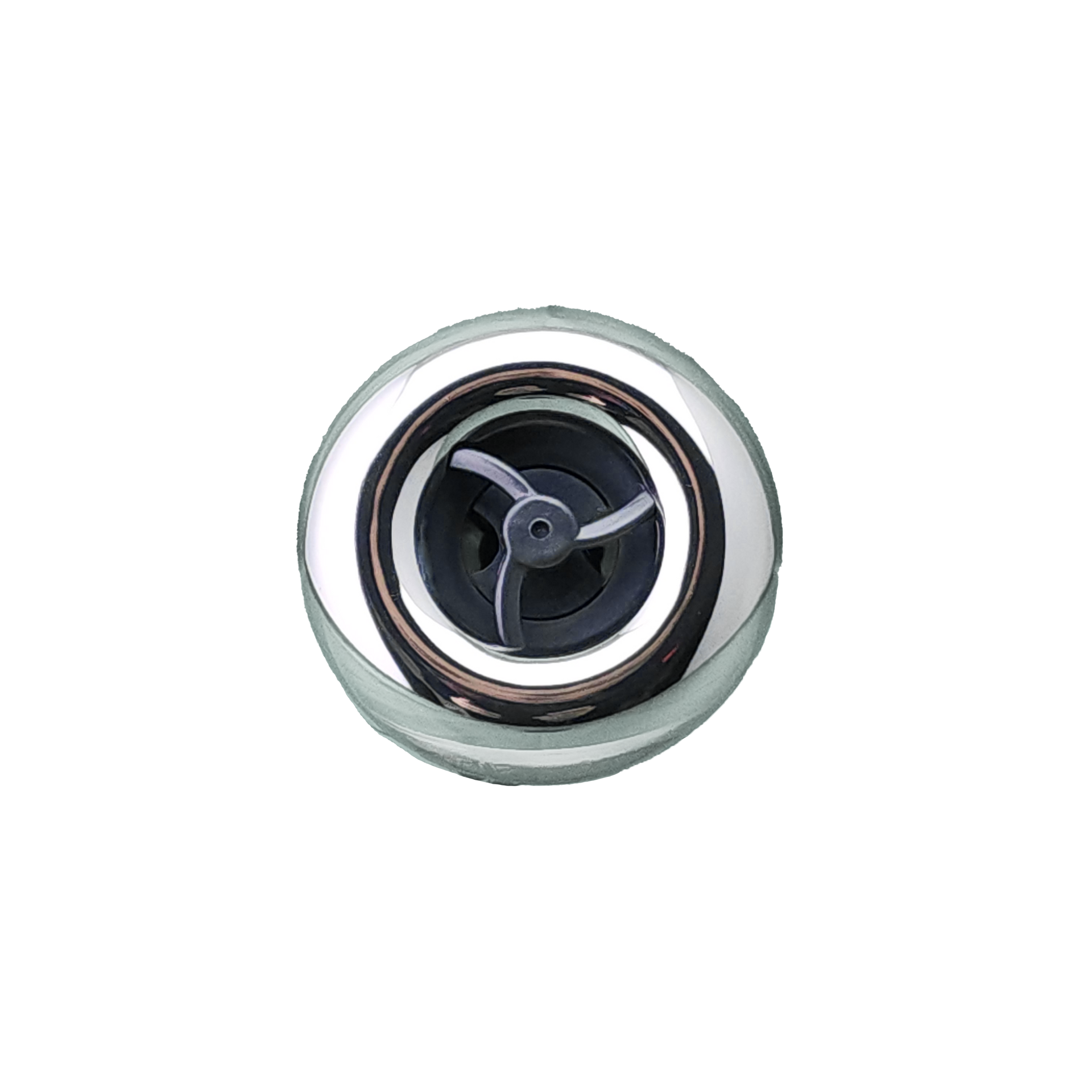
Jet faces may be round, scalloped, textured, smooth or shaped with decorative details. They may be manufactured in different materials and finishes, including plastic, stainless steel or combinations of materials.
Face diameter is commonly used to describe the general size of a jet, but it does not confirm compatibility on its own.
Two jets can have the same face diameter while using different diffusers, lengths or rear connections.

Nozzle
The nozzle controls the direction and pattern of the water exiting the jet.
Depending on the design, the nozzle may be:
- Fixed
- Adjustable
- Directional
- Rotational
- Pulsating
- Divided into multiple openings
Some nozzles can be aimed toward a particular area of the seat. Others move automatically as water flows through them.
Diffuser
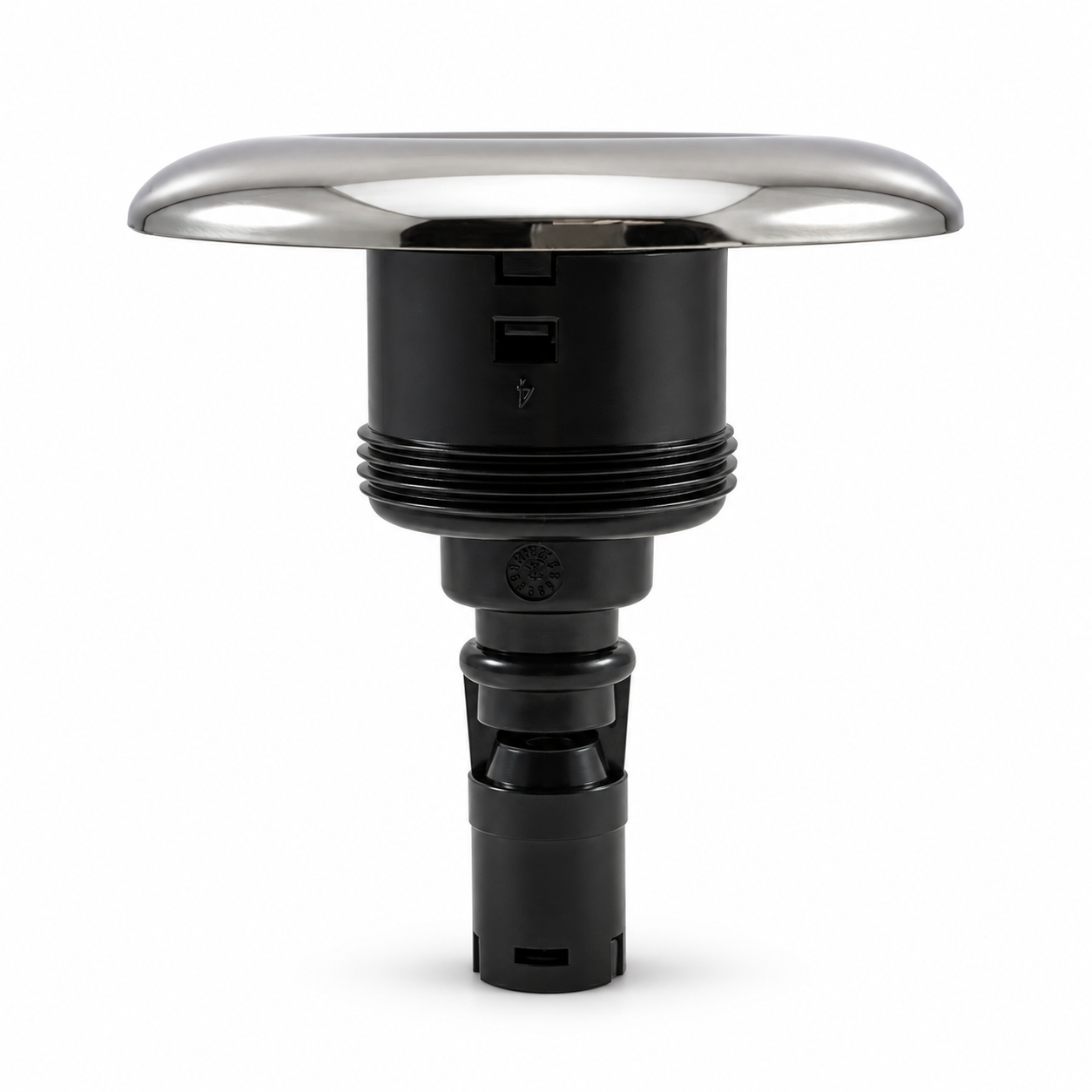
The diffuser is the rear portion of a removable spa jet internal.
It connects the internal to the jet body and helps route water and air through the nozzle. The diffuser may include openings, tabs, threads or other attachment features.
Diffuser design is one of the most important considerations when comparing spa jet internals. Similar-looking faces do not guarantee that the rear diffuser will connect to the existing jet body.
Spa Jet Body
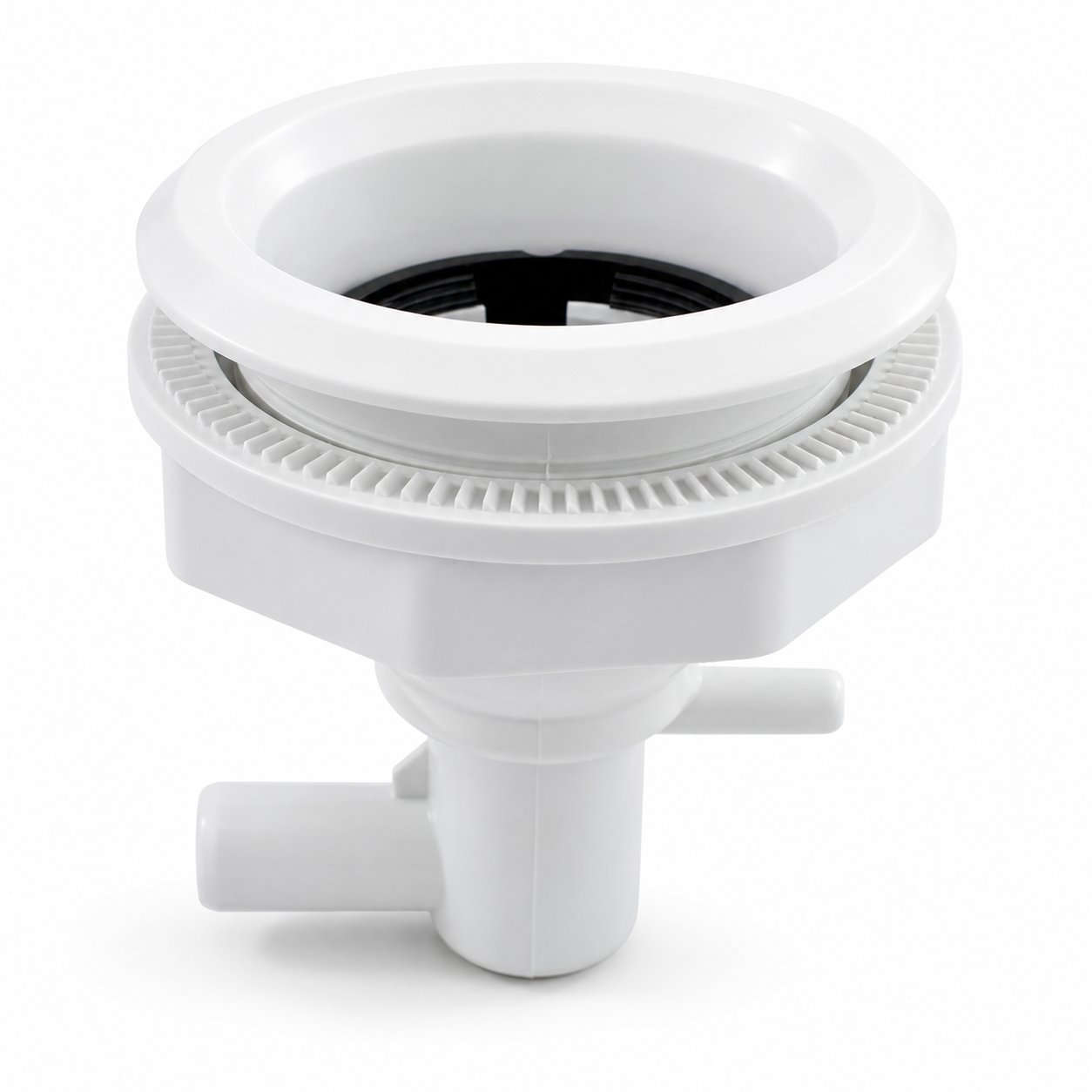
The spa jet body is the stationary housing installed through the spa shell.
It connects to the spa plumbing and holds the removable jet internal. Jet bodies may use different plumbing connections, body lengths, shell-hole requirements and internal attachment designs.
Replacing a removable jet internal is different from replacing the complete jet body.
Jet-body replacement may involve access behind the spa shell and changes to the plumbing system.
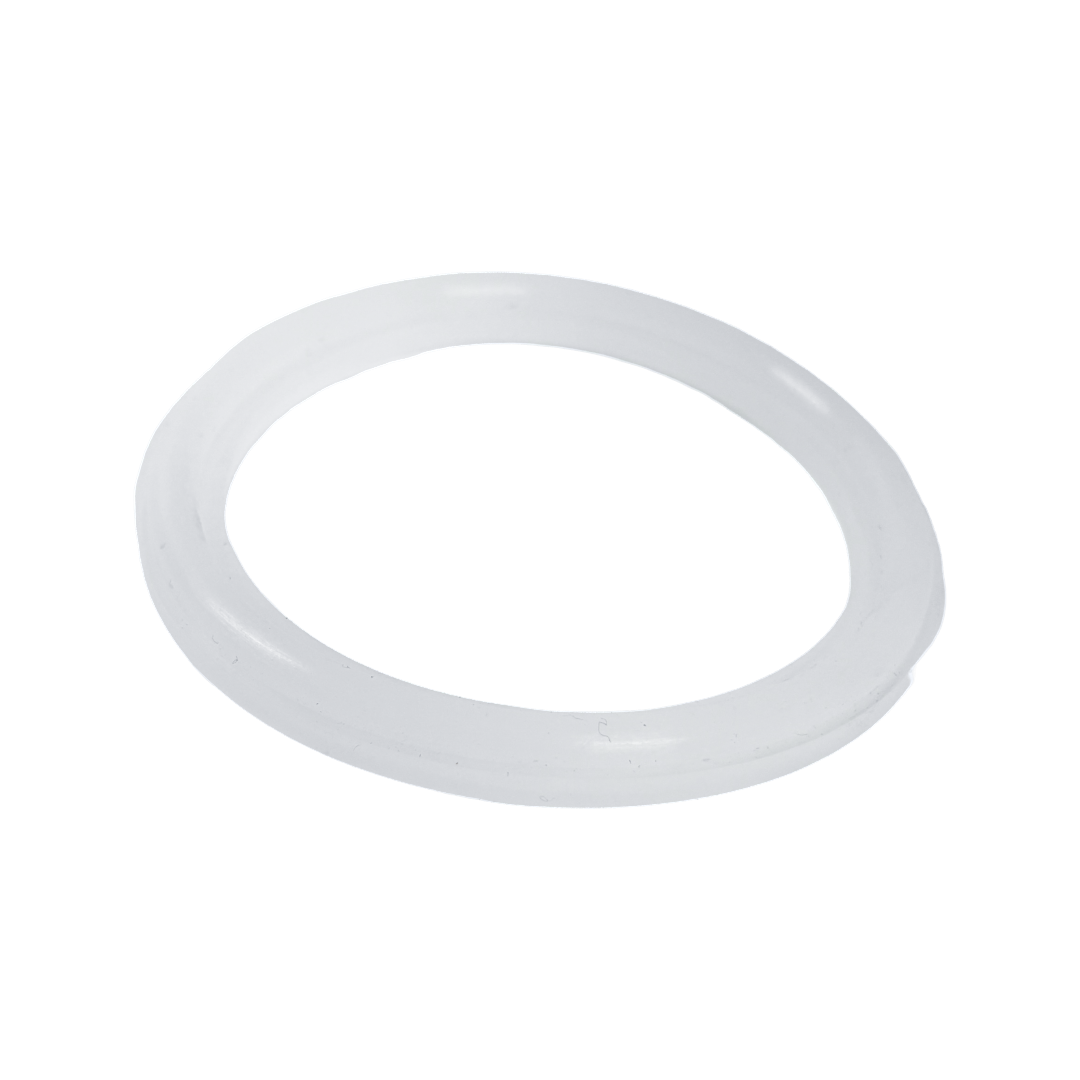
Gaskets and Seals
Gaskets and seals help create a watertight connection around the jet body or between related components.
Their location and design vary by product. A worn or damaged gasket may contribute to water leakage, but a leak can also originate from the body, plumbing connection or surrounding installation.
Shop our jets
Find a replacement jet internal for your spa here.
Common Types of Spa Jets
Spa jets are available in many designs. The names used for them generally describe the movement, pattern or direction of the water.
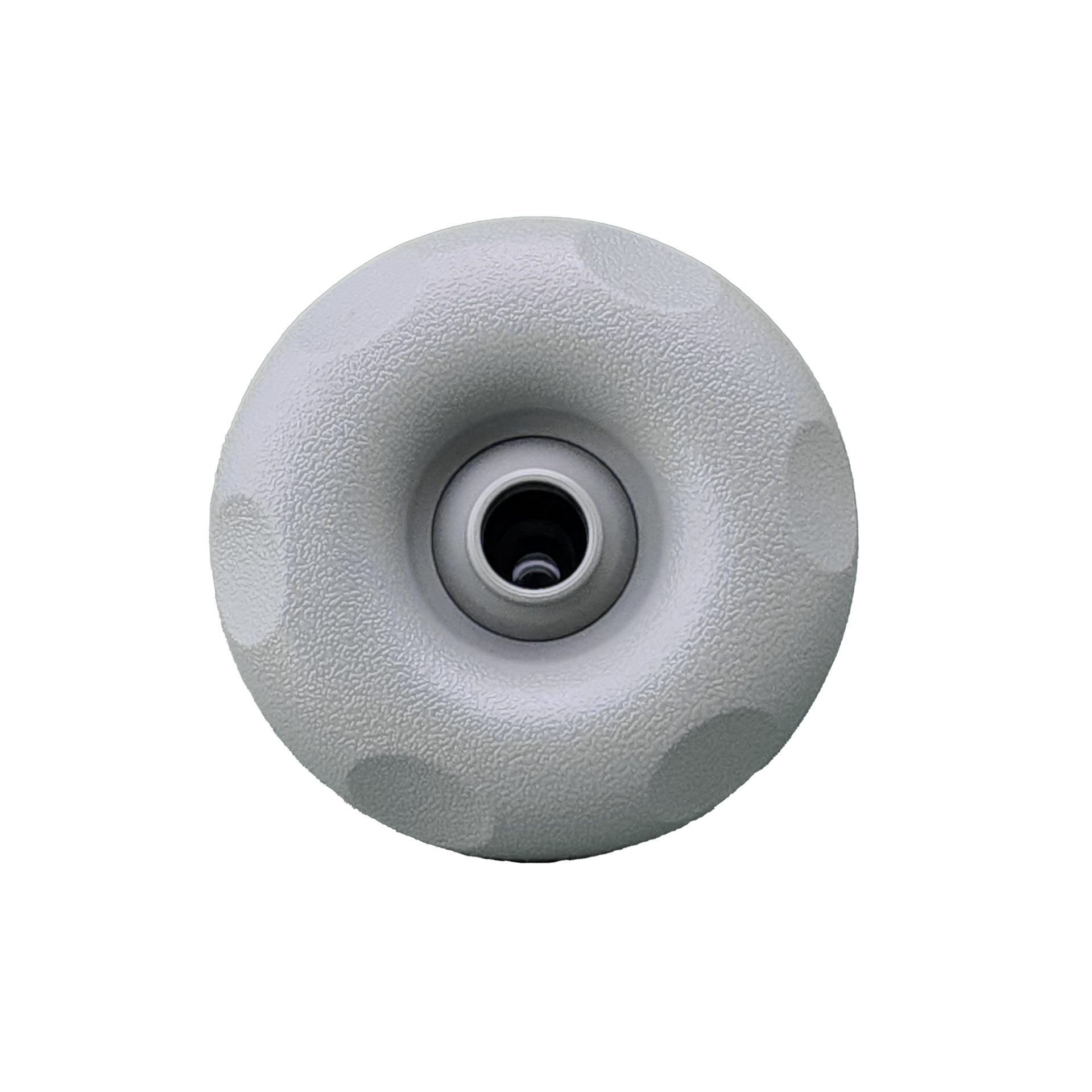
Directional Spa Jets
A directional spa jet allows the water stream to be aimed toward a selected area.
The nozzle is typically adjusted by hand. This type of jet is often used when a focused stream is preferred.
Directional jets may vary in nozzle diameter, movement range and overall water-flow pattern.
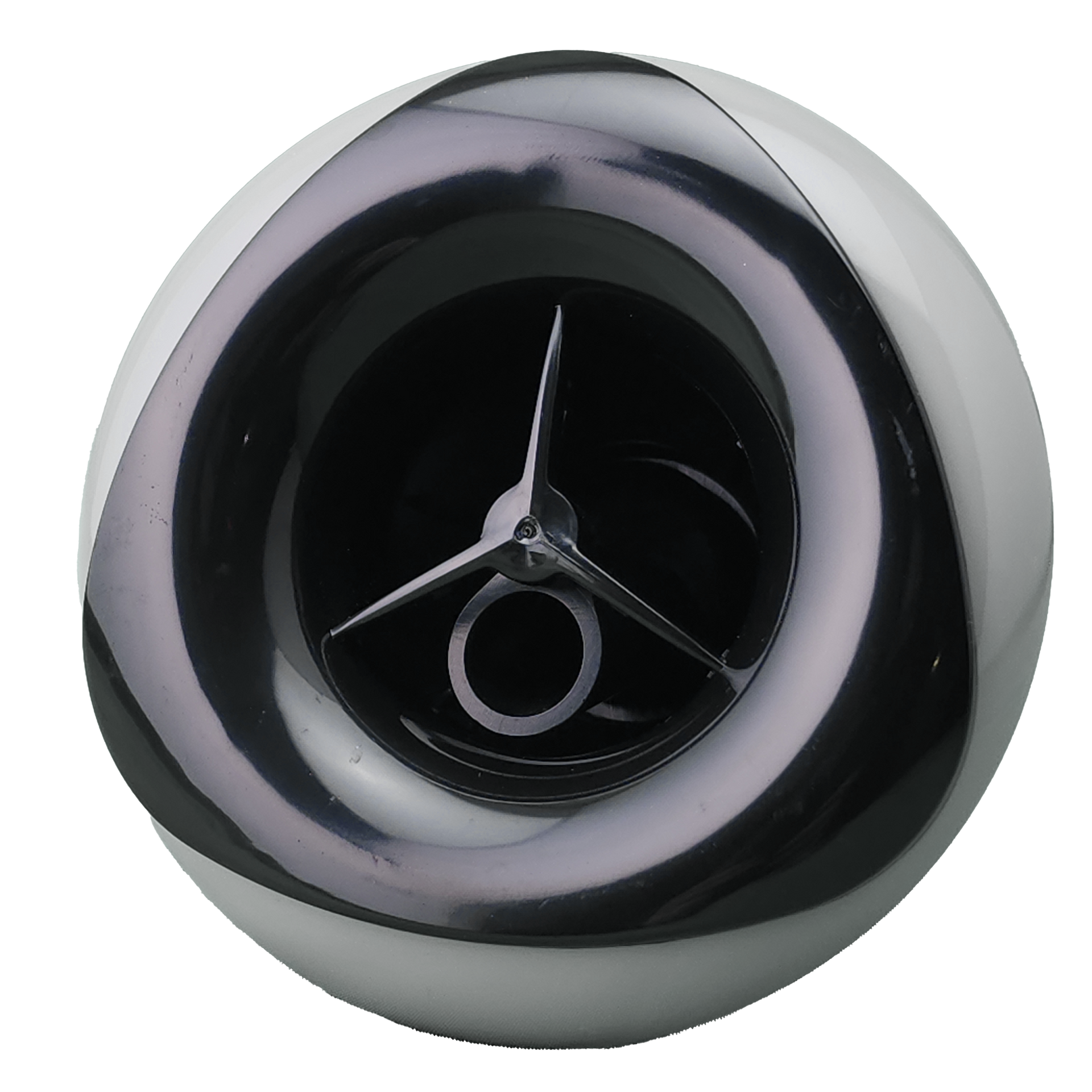
Rotational Spa Jets
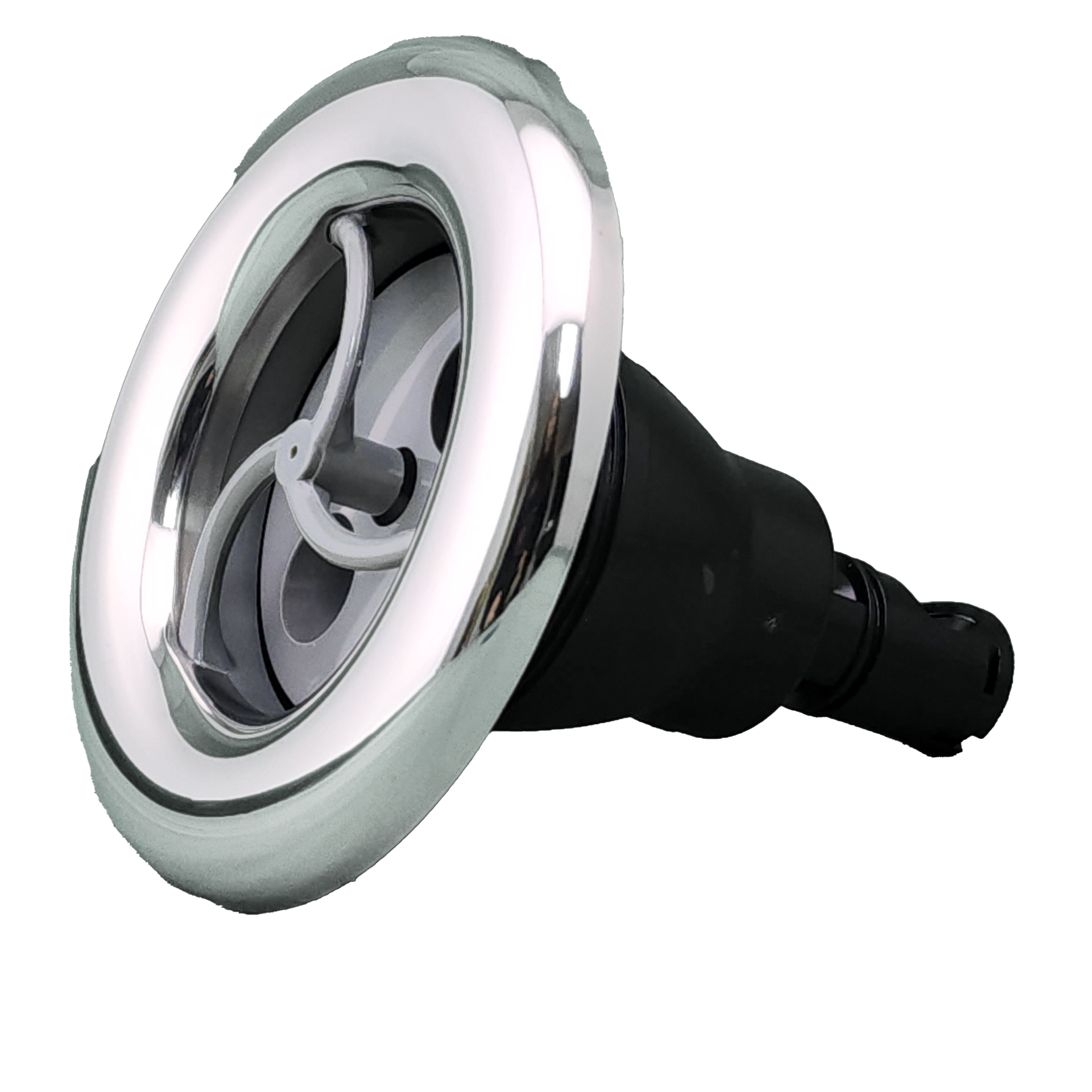
A rotational spa jet moves the water stream in a circular or sweeping pattern.
The movement is generally created by water passing through the internal nozzle design. Depending on the jet, the rotation may feel broad and gentle or more concentrated.
These jets are sometimes described using terms such as rotary, spinning or swirling.
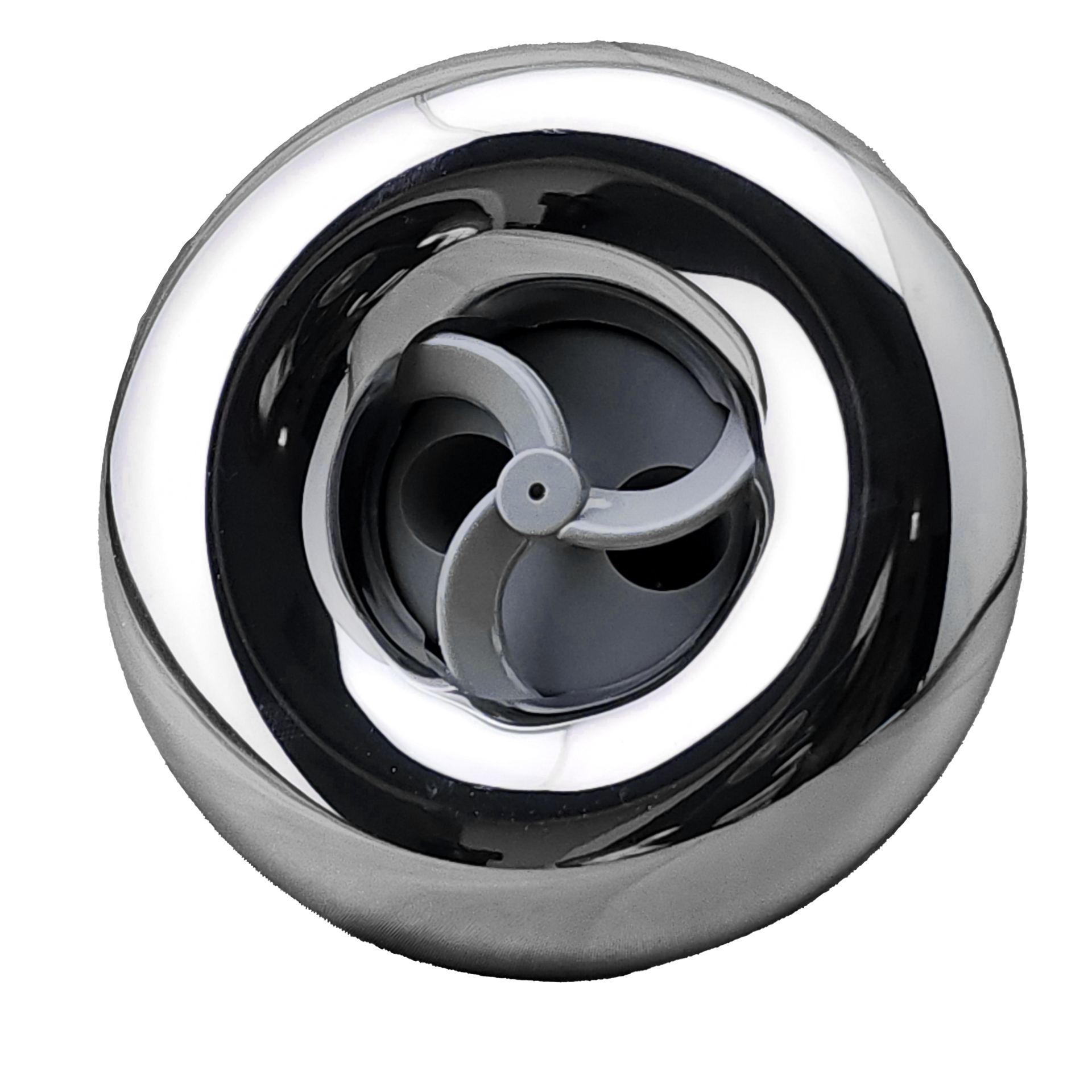
Pulsating Spa Jets
Pulsating spa jets interrupt or alternate the water stream to create a rhythmic sensation.
Some designs use a single pulsing outlet, while others divide the stream through two or more openings.
Product names such as single pulse or twin pulse may describe the number or arrangement of the pulsing streams.
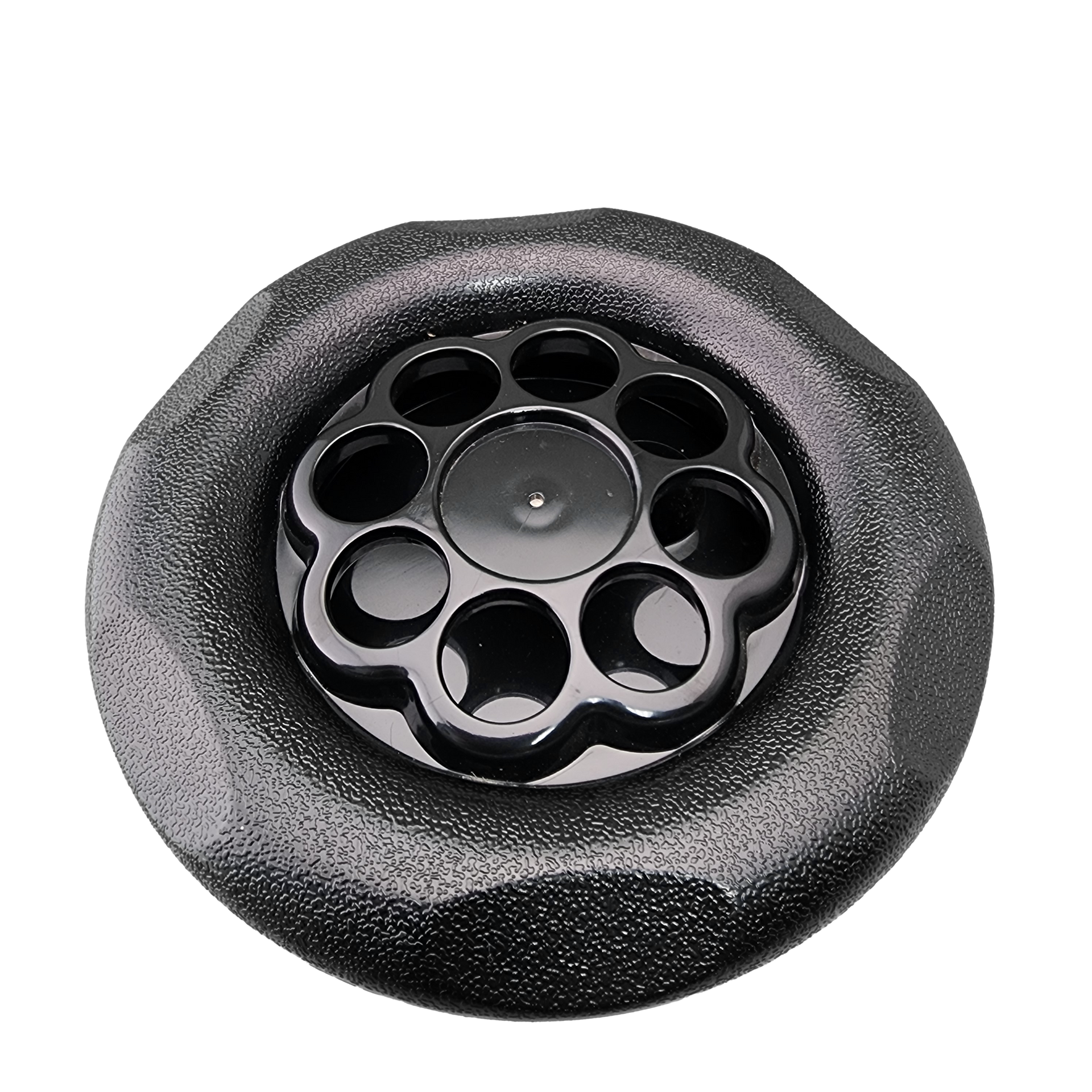
Multi-Stream Spa Jets
Multi-stream jets divide water through several smaller openings rather than one central nozzle.
The resulting pattern may cover a broader area. The number, size and arrangement of the openings vary by design.
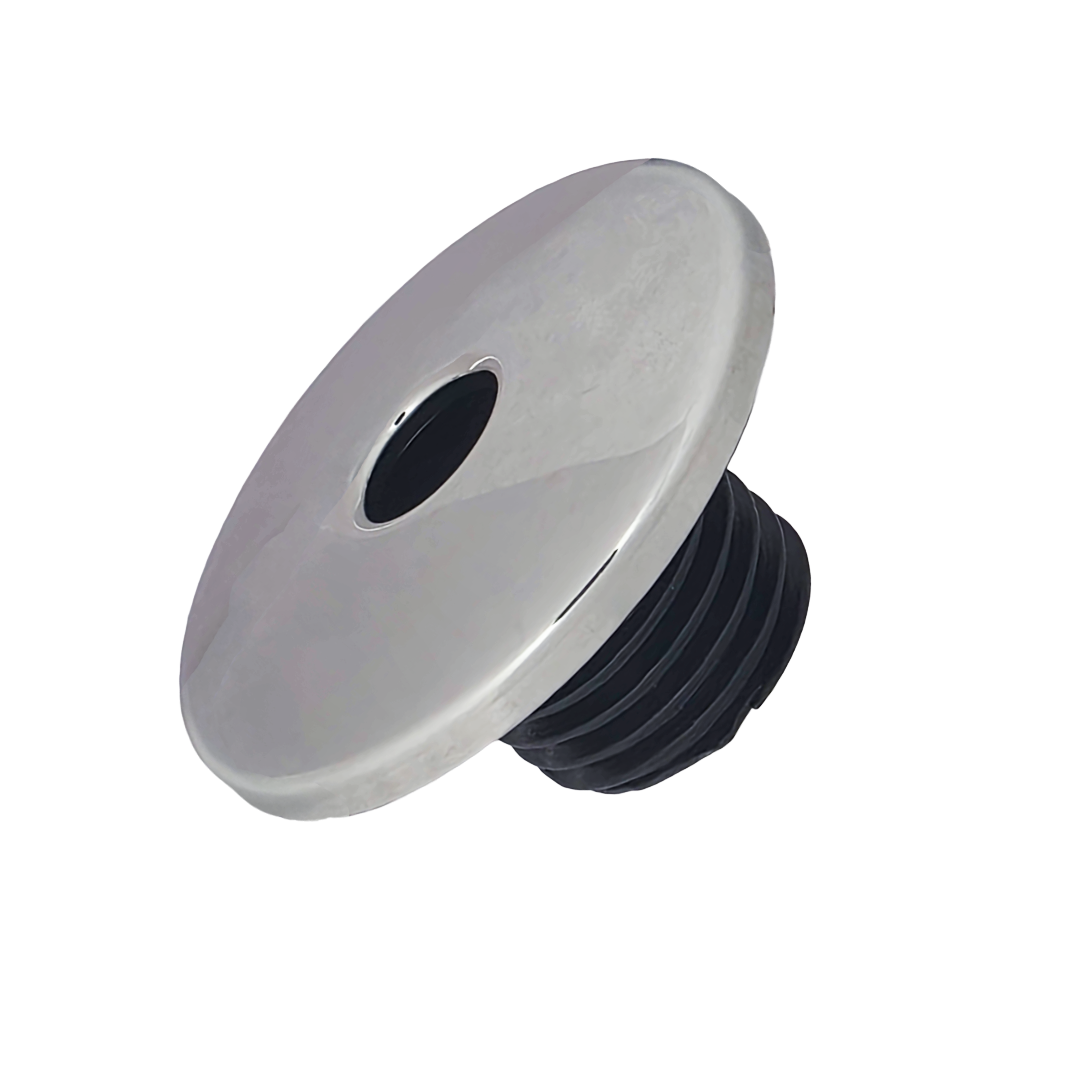
Fixed and Direct Jets
Fixed or direct jets deliver water through a stationary opening.
These jets generally do not rotate or pulse. They may be used in smaller spa areas, footwells or locations where a simple, concentrated stream is appropriate.
Spa Jet Sizes and Design Differences
Spa jets are commonly grouped by the approximate diameter of the visible face.
Examples may include:
- Small direct jets
- 2-inch spa jets
- 3-inch spa jets
- 4-inch spa jets
- 5-inch spa jets
- Large-face spa jets
These size descriptions are useful for organizing products, but they should not be treated as complete compatibility standards.
A listed 5-inch spa jet may not measure exactly five inches across every point of the face.
Two products described as the same general size may also differ in:
- Actual face diameter
- Diffuser diameter
- Diffuser length
- Overall length
- Nozzle diameter
- Rear attachment design
- Thread pattern
- Locking tabs
- Jet-body compatibility
- Face style
- Lighting or backlighting features
For this reason, spa jet size is a starting point rather than a final identification method.
Spa Jet Internals, Inserts and Bodies Explained
The terms spa jet internal, spa jet insert and spa jet body describe different parts of the assembly.
A spa jet internal is generally the removable portion installed from inside the spa. It includes the face, nozzle and diffuser.
A spa jet insert is often another name for the removable internal. Depending on the manufacturer or seller, the two terms may be used interchangeably.
A spa jet body is the permanent housing installed through the spa shell and connected to the plumbing.
A complete replacement project may involve:
- Replacing only the internal
- Replacing a damaged face or nozzle, when separate parts are available
- Replacing the jet body
- Replacing both the body and internal
- Changing several jets to a matching style
- Replacing related gaskets or seals
Before selecting a product, determine whether you need the removable internal, the installed body or the complete assembly.
Can Spa Jets Be Replaced?
Many removable spa jet internals can be replaced when they become worn, damaged, discolored or difficult to operate.
However, replacement depends on finding an internal designed to connect with the existing jet body.
Some older jet styles may no longer be available. Others may have been updated, redesigned or produced in several similar-looking versions.
If a matching internal cannot be located, replacing the complete jet body may be considered. This is a more involved project because the body is connected to the plumbing behind the spa shell.
Replacing a jet body may require:
- Access to the back of the spa shell
- Draining the spa
- Disconnecting plumbing
- Removing the existing body
- Confirming the shell opening
- Installing the new body and gasket
- Reconnecting the water and air plumbing
- Testing for leaks
Electrical, structural and complex plumbing work should be completed according to the spa manufacturer’s instructions and applicable requirements.
Frequently asked questions about spa jets
How do I find the right replacement jet for my hot tub?
Start by measuring the diameter of the jet face and checking the length and shape of the jet insert. Look for a part number on your existing jet, if available. You should also identify whether your jet is directional, rotational, or another style. Matching the correct dimensions and connection style is important because not all spa jets are interchangeable.
Are all hot tub jets interchangeable?
No. Hot tub jets come in different sizes, styles, and connection designs. Even jets that look similar may use different mounting systems or jet bodies. Before purchasing a replacement, compare the measurements, part number, and connection style of your existing jet.
What is the difference between directional and rotational spa jets?
Directional spa jets produce a focused stream of water that you can aim toward a specific area of your body. Rotational spa jets create a moving or spinning water stream for a different massage sensation. The best choice depends on your preferred massage experience and your hot tub's jet compatibility.
How do I measure a hot tub jet for replacement?
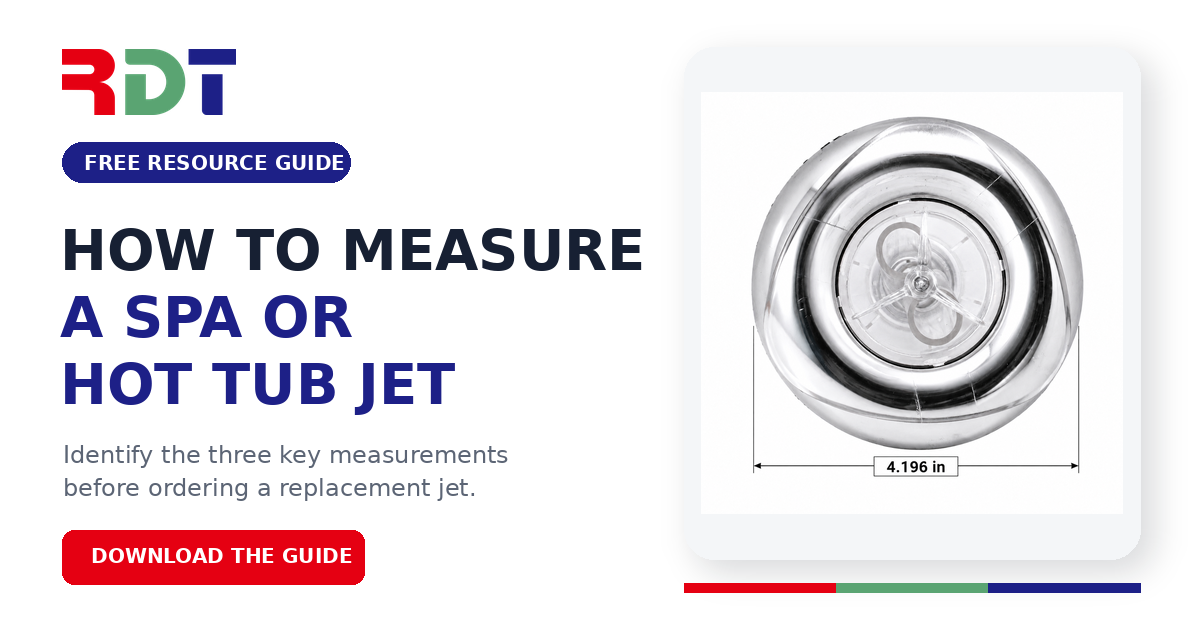
Remove the existing jet insert according to your spa manufacturer's instructions. Measure the outside diameter of the jet face, the overall length, and any other dimensions needed to identify the correct replacement. Check the back of the jet for its connection style and any identifying markings.
For additional help, see our How to Measure a Spa Jet guide in the Resource Center.
Why are my hot tub jets not producing strong water pressure?
Weak jet pressure can result from a dirty filter, low water level, closed valves, restricted water flow, or problems with the pump. Air controls can also affect how the water stream feels. If only one jet has weak flow, inspect that jet for debris or blockage before replacing it.
What is the difference between air and water in spa jets?
Many hot tub jet systems use both water and air to create their massage effect. Water is pushed through the jet by the spa pump, while air may be drawn into the flow through a separate air inlet. This mixture creates the bubbling, massaging sensation associated with many spa jets. The amount of air and water depends on the jet design and spa plumbing system.
Can I replace a hot tub jet myself?
Many removable spa jet inserts can be replaced without professional assistance. Depending on the design, they may twist, snap, or lock into the existing jet body. Always follow the manufacturer's removal instructions and turn off the spa before performing maintenance. Replacing the complete jet body or plumbing components may require additional tools or professional service.
Why does my spa jet keep popping out?
A jet that repeatedly comes loose may have worn locking tabs, damaged retaining components, or an incompatible connection style. Inspect both the jet insert and the receiving jet body for damage. Replacing the insert may solve the problem, but a damaged jet body may also need attention.
How often should hot tub jets be replaced?
Hot tub jets do not have a universal replacement schedule. Their lifespan depends on water chemistry, maintenance, usage, and component condition. Consider replacing a jet if it becomes cracked, damaged, difficult to operate, or no longer stays securely in place.
Where can I buy replacement spa jets?
Rising Dragon offers replacement spa jets and hot tub components in a variety of sizes and styles. Browse our online selection to compare available options and find a replacement that matches your existing jet.